
In the world of modern yoga, it’s easy to get caught up in striving for perfection—whether it’s mastering advanced poses, holding challenging postures, or pushing your body to its physical limits. But in somatic yoga, we take a different approach. We don’t aim to push ourselves harder; instead, we aim to listen more closely. Somatic yoga invites us to explore the subtleties of movement and the immense power of mindful awareness.
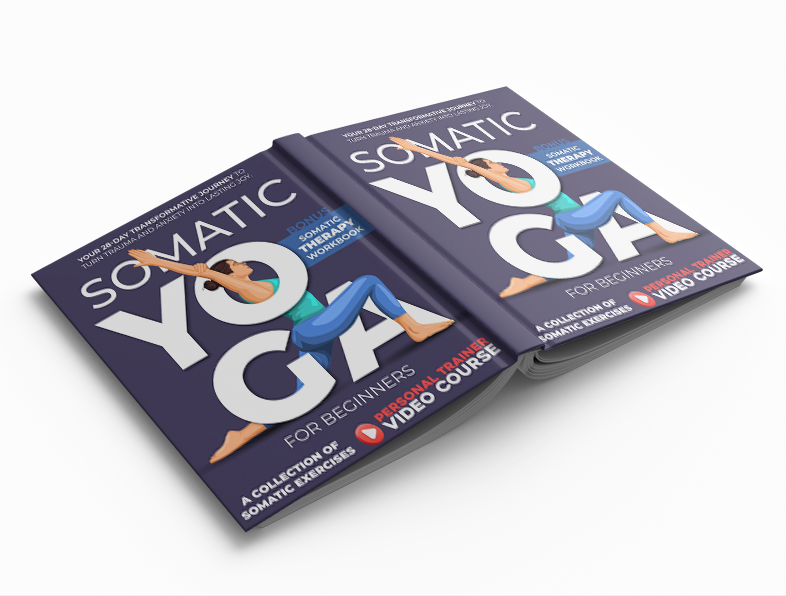
As the author of Somatic Yoga for Beginners, I’ve witnessed how transformative these small, mindful movements can be. It’s not about flashy poses or extreme flexibility; it’s about developing a deeper connection to your body and fostering profound shifts in how you move, feel, and live.
What is Mindful Movement in Somatic Yoga?
Mindful movement is at the heart of somatic yoga. It’s the practice of moving with complete awareness of your body, your breath, and your inner sensations. Rather than rushing through poses or sequences, you move slowly and deliberately, allowing yourself to feel every nuance of each movement.
In somatic yoga, this mindfulness helps you notice how your body is holding tension, how you habitually move, and where you can make subtle adjustments to find more ease. These small shifts—whether in posture, breath, or the release of tension—can create significant and lasting changes in both your physical and mental state.
1. Refining Your Movement Patterns
One of the core benefits of somatic yoga is its ability to refine and retrain your movement patterns. Over time, our bodies develop habitual ways of moving—whether from poor posture, stress, or injury—that can lead to discomfort, stiffness, or even chronic pain. These ingrained patterns can be difficult to break, especially if we aren’t aware of them.
Somatic yoga uses mindful movement to bring these unconscious habits into the light. By moving slowly and paying attention to how your body feels, you begin to notice where you’re holding unnecessary tension or moving inefficiently. From there, you can gently explore new ways of moving that are more fluid, balanced, and free from strain.
2. Increasing Body Awareness
Body awareness is a cornerstone of somatic yoga, and it’s something we can all benefit from cultivating. When we go through our daily lives on autopilot, we lose touch with the signals our bodies are constantly sending us—whether it’s fatigue, stress, or the need for rest.
Through the practice of somatic yoga, you’ll develop a heightened sense of body awareness. Each movement becomes an opportunity to check in with yourself, notice how you’re feeling, and respond with mindfulness. This awareness doesn’t just stay on the mat—it translates into everyday life, helping you become more attuned to your body’s needs and making more conscious choices about how you move and care for yourself.
3. Balancing the Nervous System
In today’s fast-paced world, our nervous systems are often in a state of overdrive, flooded with stress and stimulation. This constant state of alertness can lead to physical tension, anxiety, and even burnout. Somatic yoga offers a gentle and effective way to bring your nervous system back into balance.
By moving mindfully and focusing on your breath, you activate the parasympathetic nervous system, which is responsible for rest, digestion, and recovery. This helps counteract the effects of chronic stress, promoting a sense of calm and relaxation. Over time, practicing somatic yoga can help you become more resilient to stress and cultivate a deeper sense of inner peace.
4. Healing Through Sensory Awareness
Sensory awareness is a key component of somatic yoga. Unlike many forms of exercise that focus solely on external outcomes—such as flexibility, strength, or endurance—somatic yoga encourages you to tune into the internal experience of movement. This sensory awareness helps you connect more deeply with your body and its needs.
Through this practice, you may discover areas of tension or discomfort that you hadn’t noticed before. With patience and mindfulness, you can work to release this tension, allowing healing to occur at a deeper level. Many practitioners find that somatic yoga helps them uncover and resolve long-held emotional or physical blockages that have been stored in their bodies.
5. Cultivating Ease in Everyday Movement
One of the most beautiful aspects of somatic yoga is that its benefits extend far beyond your time on the mat. As you become more mindful of how you move during your practice, you’ll start to carry this awareness into your daily life.
Whether you’re sitting at a desk, walking, or performing everyday tasks, somatic yoga teaches you to move with greater ease and efficiency. This can lead to fewer aches and pains, improved posture, and a more relaxed, centered approach to movement in general.
Final Thoughts
Somatic yoga offers a unique and powerful approach to mindful movement. It’s not about pushing your body to its limits; rather, it’s about exploring the subtleties of how you move and how you feel. Through slow, deliberate movements, you can retrain your body to move with greater ease, release unnecessary tension, and cultivate a deeper sense of connection to yourself.
As you explore the principles of somatic yoga, remember that this practice is a journey, not a destination. It’s about being curious, compassionate, and patient with yourself as you discover new ways of moving and being in your body.
Embrace the art of mindful movement, and watch as small shifts lead to big changes—not only in how you move, but in how you live.
Julian Apple
Author of Somatic Yoga for Beginners